
Working in Swedish manufacturing: shifts, safety culture and your first contract
Nataliya Bondar · Published 5/19/2026
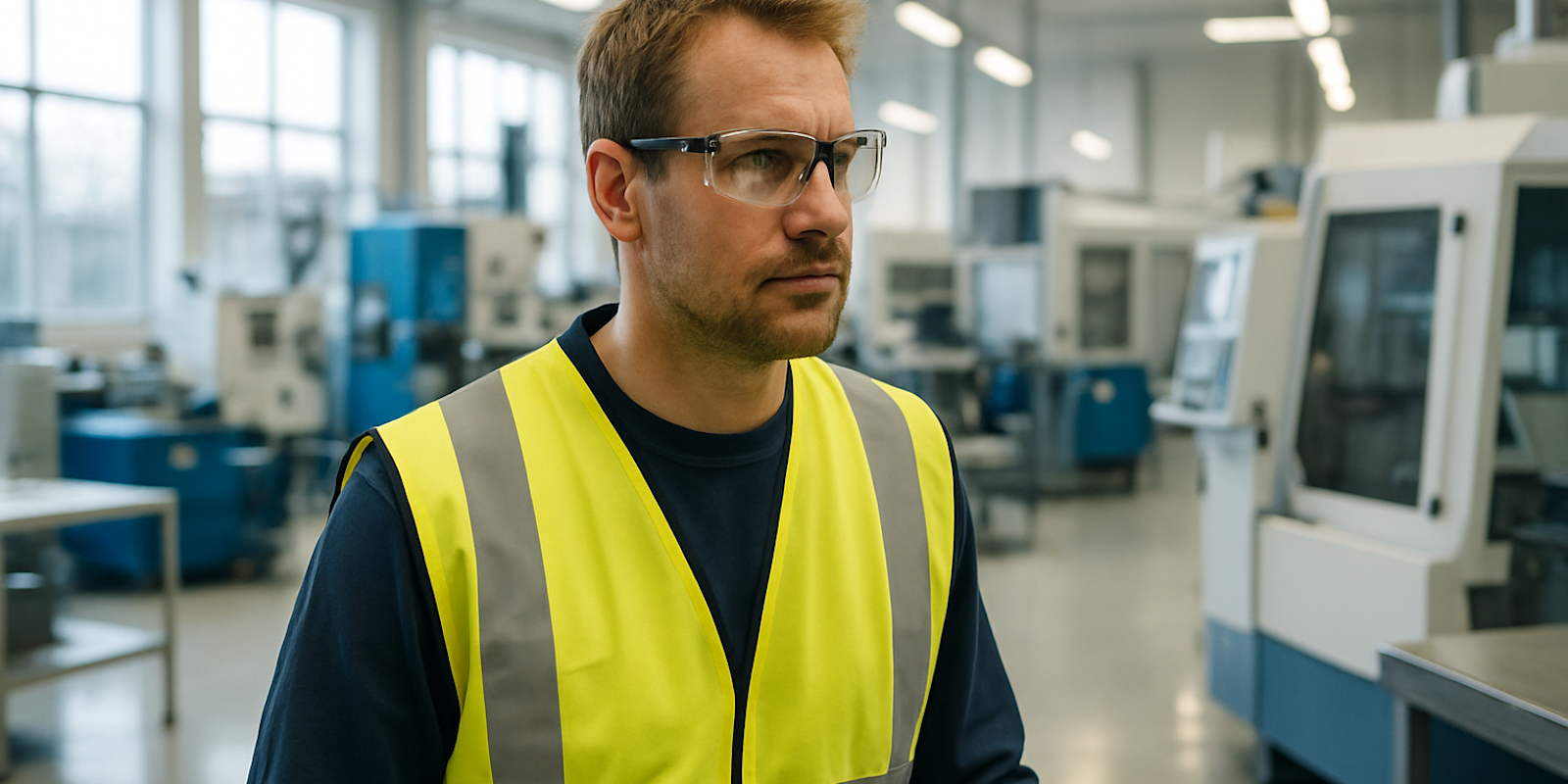
Sweden's manufacturing sector — from automotive components to packaging and electronics — is one of the most safety-conscious in Europe. For international workers, that means a steep but well-supported onboarding curve and strong legal protections from day one.
Getting the right to work in Sweden
EU/EEA citizens can start work immediately and register at Skatteverket (the Swedish Tax Agency) to get a Swedish personal number (personnummer). Non-EU workers need a work permit issued by Migrationsverket before arriving. Your employer submits the application; the process takes roughly 3 months.
Shifts and working time
Most production facilities run on a 2-shift or 3-shift rotation. A typical schedule alternates morning (06:00–14:00), afternoon (14:00–22:00) and night shifts (22:00–06:00) on a 4-week rolling cycle. Night and weekend shifts attract a supplement of 15–30% under the IF Metall collective agreement (Industriavtalet).
Swedish safety culture: what it means in practice
Swedish factories take Arbetsmiljöverket (the Work Environment Authority) requirements seriously. You will complete a mandatory induction covering machine lockout-tagout, PPE use, emergency exits and near-miss reporting. Safety representatives (skyddsombud) are present on every shift.
Your first contract: pay, benefits and what to check
Entry-level manufacturing wages in Sweden start around SEK 24,000–27,000/month (roughly €2,100–€2,400) before tax. After 6 months you become entitled to general employment protection (LAS). Bixter only lists employers who follow Industriavtalet terms.